
Material Conveying Systems: Belt, Screw & Pneumatic Conveying Manufacturer in India
AS Engineers designs and fabricates belt conveyors, screw conveyors, and dilute-phase pneumatic conveying systems from Ahmedabad, Gujarat. Each system is engineered to the specific material, throughput, and plant layout – not selected from a standard catalog. ISO 9001:2015 certified, with 25+ years of industrial fabrication experience across chemical, pharma, cement, food processing, and water treatment sectors.
Your Perfect Conveying Solution Starts Here
Tell us about your material handling requirements, and our team will deliver a tailored solution backed by 235 years of engineering excellence. Whether it's a new project or an upgrade, we're here to help you move your materials more efficiently and reliably.
Every bulk material handling problem has one root cause: the wrong conveyor for the material, the distance, and the process condition. A screw conveyor that works perfectly for dry cement powder will seize when asked to handle wet ETP sludge. A belt conveyor sized for grain will choke on fine chemical powder. The wrong choice costs you in downtime, contamination, and maintenance.
Three Conveying Technologies. One Engineered Decision.
We manufacture three primary conveying systems. The choice depends on your material’s bulk density, flowability, moisture content, abrasiveness, and the distance and elevation involved.
Pneumatic Conveying System (Dilute Phase)
Dilute-phase pneumatic conveying uses a high-velocity airstream – generated by a centrifugal blower – to suspend and transport powder, granules, and pellets through a closed pipeline. Because there is no belt, no trough, and no rotating screw in contact with the material, contamination risk drops significantly. The enclosed pipeline design also eliminates fugitive dust, which is a compliance requirement under CPCB air emission norms for chemical and cement plants.
Typical applications:
- Fly ash transfer in power plants
- Cement powder conveying from silo to packing
- Chemical powder transfer in pharmaceutical and agrochemical plants
- Grain and flour conveying in food processing
Materials handled: free-flowing powders, granules, pellets, flakes with bulk density up to kg/m³.
Pipeline material options: MS, SS 304, SS 316 based on product corrosivity and temperature.
The blower sizing for pneumatic conveying is critical. Undersized airflow causes material dropout and pipeline plugging. AS Engineers designs the blower and the conveying system together, so both are matched to the same operating point. Most suppliers quote the conveyor and leave the blower selection to you. We do not.
Screw Conveyor
Screw conveyors use a rotating helical blade inside a trough or enclosed tube to move bulk material horizontally or at a moderate incline. They are the preferred choice for wet, sticky, or semi-solid materials that cannot be suspended in an airstream and where a belt would cause spillage or hygiene issues.
Typical applications:
- ETP and STP sludge transfer from dewatering press to paddle dryer feed point
- Chemical slurry and paste handling
- Biomass, bagasse, and wet agricultural by-product conveying
- Ash removal from boilers and furnaces
Construction options: MS fabricated trough with cast iron or hardened flights for abrasive duty. SS 304 or SS 316 for food-grade and pharma applications. Enclosed tube design available for dusty or hazardous materials.
Screw conveyors are used as the primary feed system for AS Engineers’ paddle dryers. If you are adding a sludge drying system to your ETP, the screw conveyor and the dryer can be specified and supplied together.
Belt Conveyor
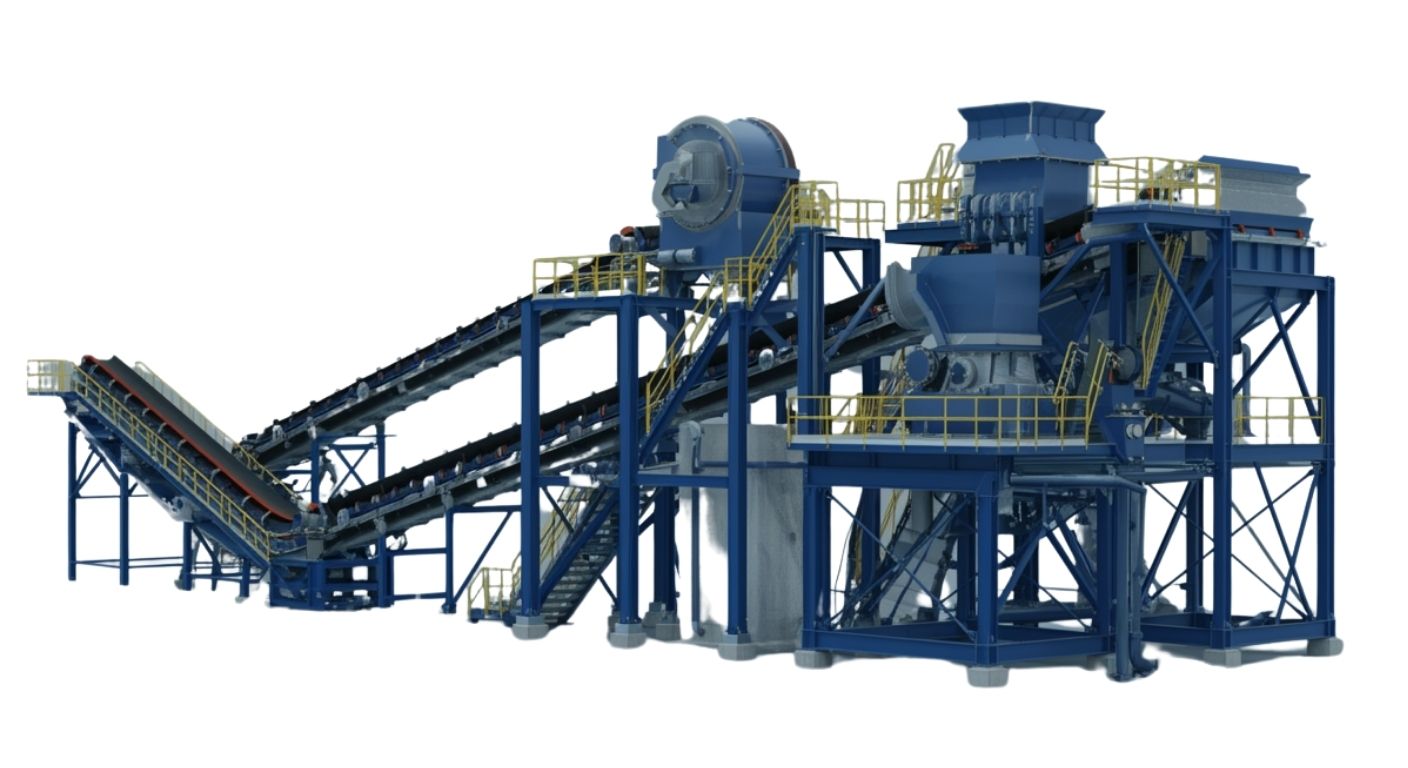
Belt conveyors move large volumes of bulk material over longer distances at relatively low operating cost. The flat or troughed belt on rollers and pulleys handles coarse, lumpy, or non-flowable materials that neither screw nor pneumatic conveying can manage economically.
Typical applications:
- Coal, coke, and limestone handling in cement and power plants
- Aggregate and mineral handling in mining and quarrying
- Finished product take-off from dryers and kilns
- General bulk material transfer between plant sections
Belt width, speed, inclination angle, and belt material are all specified to the material and throughput. We supply belt conveyors as standalone systems and as part of integrated plant solutions that include dryers, blowers, and bag filters and cyclone separators.
Conveyor Selection Guide
Use this table to determine the right conveying system for your application. If your material or process condition does not match cleanly, consult our engineering team before specifying.
| Criteria | Pneumatic (Dilute Phase) | Screw Conveyor | Belt Conveyor |
|---|---|---|---|
| Material state | Dry powder, granules, pellets | Wet, sticky, semi-solid, paste | Coarse lump, aggregate, dry bulk |
| Bulk density | Low to medium | Low to high | Medium to high |
| Transfer distance | Up to 200+ m | Up to 30-40 m | Long distances |
| Incline/elevation | Any angle via pipeline routing | Up to 20° incline | Up to 30° incline |
| Contamination risk | Lowest (enclosed pipeline) | Low (enclosed tube option) | Moderate (open belt) |
| Dusty materials | Excellent – no fugitive dust | Good with enclosed trough | Requires dust covers/enclosure |
| Abrasive materials | Moderate – pipeline wear | Good with hardened flights | Excellent |
| Hygiene requirement | High (pharma, food) | High (SS construction available) | Moderate |
| Integration with blowers | Required — blower is part of system | Not required | Not required |
| Typical industries | Cement, chemical, pharma, food | ETP/STP, chemical, food | Cement, power, mining, general |
MOC (Material of Construction) Options
All three conveying systems are available in the following materials based on the conveyed product and operating environment:
- Mild steel (MS) – general industrial duty
- Carbon steel (CS) – moderate temperature and pressure applications
- SS 304 / SS 304L – food-grade and mildly corrosive environments
- SS 316 / SS 316L – pharmaceutical, chemical, and high-corrosion applications
- Duplex SS 2205 – highly corrosive chemical and offshore environments
- Hard-faced or lined construction – abrasive bulk solids (fly ash, limestone, slag)
Industries Served
Our conveying systems operate in:
- Chemical and Agrochemical — powder and slurry transfer under enclosed conditions for CPCB compliance
- Pharmaceuticals — GMP-compatible SS 316 screw conveyors and pneumatic systems for API and excipient handling
- Cement and Power — belt and pneumatic systems for fly ash, clinker, and raw meal conveying
- Food Processing — hygienic SS screw and pneumatic conveyors for grain, flour, sugar, and spice handling
- Water Treatment (ETP/STP) — screw conveyors for dewatered sludge transfer to drying systems
- Fertilizer — pneumatic and belt systems for granule and powder handling
- Pulp and Paper — wet material screw conveyors and dry product belt systems
Why Choose AS Engineers for Conveying Systems
Most conveying equipment suppliers supply only the conveyor. You then need a separate blower supplier, a separate dryer supplier, and a separate bag filter supplier – each quoting independently, each blaming the other when the system underperforms.
AS Engineers manufactures centrifugal blowers, paddle dryers, bag filters, cyclone separators, and conveying systems from a single facility in Ahmedabad. When you buy a pneumatic conveying system from us, the blower that powers it is also designed by us to the same operating parameters. When you buy a screw conveyor as a dryer feed system, the paddle dryer it connects to is also engineered by us.
This integration reduces the number of interfaces in your plant where equipment specification mismatches cause performance problems.
- ISO 9001:2015 certified design and manufacturing
- 25+ years of industrial fabrication experience
- Custom-engineered to your material, throughput, and layout
- Single-source supply of conveying system + blower + pollution control equipment
- In-house testing before dispatch
- Commissioning support and after-sales service
Frequently Asked Questions
What is the difference between dilute-phase and dense-phase pneumatic conveying?
In dilute-phase conveying, material is suspended in a high-velocity airstream at relatively low material-to-air ratios. It suits free-flowing powders and granules over long distances. Dense-phase conveying uses lower velocity and higher pressure to push material in slugs or plugs through the pipeline. Dense-phase is preferred for fragile or highly abrasive materials where dilute-phase would cause particle breakage or excessive pipeline wear. AS Engineers currently supplies dilute-phase pneumatic conveying systems.
Can a screw conveyor handle ETP sludge from a filter press?
Yes. Dewatered sludge from a filter press or centrifuge typically has 60–75% moisture content and a paste-like consistency. Screw conveyors with an enclosed trough and robust flights handle this material reliably. The screw conveyor feeds the sludge from the dewatering point into the paddle dryer feed hopper, bridging the two process stages. We design the screw feeder and the paddle dryer together to ensure the feed rate and dryer inlet conditions match.
What conveyor is right for pharmaceutical API powder transfer?
GMP-compliant pharmaceutical applications require enclosed transfer with no product contact with ambient air and minimal product degradation. Dilute-phase pneumatic conveying in SS 316 pipelines with a rotary valve at the feed point and a filter receiver at the discharge is the standard approach. Screw conveyors in enclosed SS 316 tube construction are also used for shorter transfer distances.
Do you supply conveyors as standalone equipment or only as part of systems?
We supply both. Standalone belt conveyors, screw conveyors, and pneumatic conveying systems are available if you have an existing plant with specific integration requirements. We also supply complete material handling systems as part of a broader process line that includes dryers, blowers, and pollution control equipment.
What information do I need to provide to get a conveyor quotation?
To prepare an accurate quotation, we need: material name and bulk density (kg/m³), throughput required (kg/hr or tonnes/hr), inlet and outlet point locations (horizontal distance, elevation change), material temperature, moisture content, abrasiveness, particle size distribution, and any special requirements (food-grade, explosion-proof, high-temperature). The more complete this data, the more accurate our engineering proposal will be.
Specify the Right Conveying System for Your Plant
If you have a material handling requirement – a new plant, a capacity expansion, or a replacement of underperforming conveying equipment – share the process data with our engineering team. We will evaluate the material, the process conditions, and the integration requirements and recommend the right system.
Contact AS Engineers to submit your conveying system enquiry. You can also reach us at +91 99090 33851 or info@theasengineers.com.