
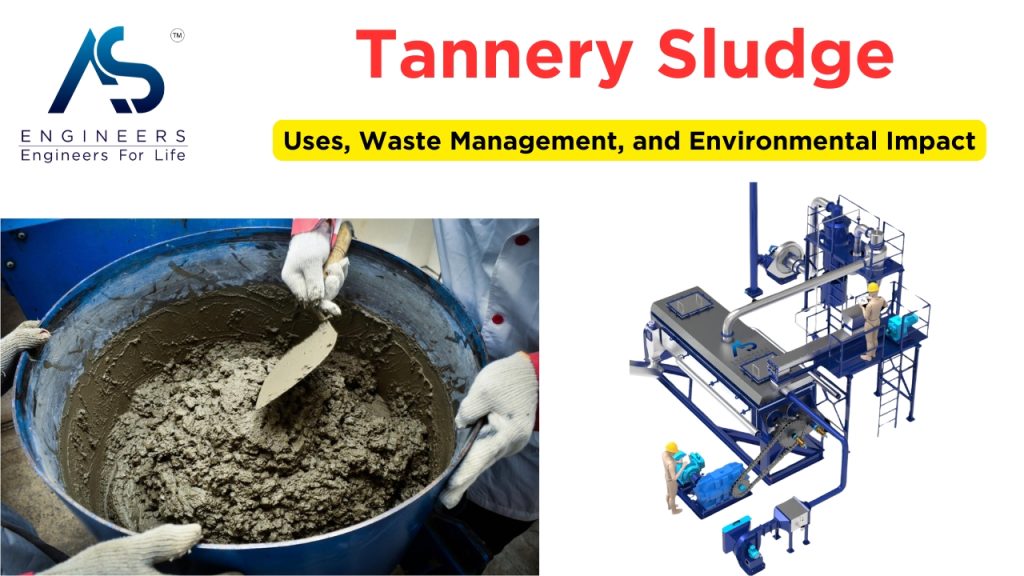
Tannery Sludge: An In-Depth Analysis and Treatment Solutions
-
 AS Engineers
- in Blog

Tannery sludge is a byproduct of the leather manufacturing industry, resulting from the treatment of wastewater generated during the tanning process. This sludge contains a variety of chemicals, organic materials, and heavy metals that pose environmental challenges. Proper management and treatment of tannery sludge are essential to mitigate its impact on the environment and public health.
What is Tannery Sludge?
Tannery sludge refers to the solid waste material left over after the treatment of wastewater in leather processing plants. The sludge typically contains high concentrations of chromium, sulfides, and other chemicals used in tanning, as well as organic matter such as hair, flesh, and fat from animal hides. Due to its composition, tannery sludge is classified as hazardous waste and requires careful handling and disposal.
Composition of Tannery Sludge
The composition of tannery sludge varies depending on the tanning process, the types of chemicals used, and the efficiency of wastewater treatment systems. Common components found in tannery sludge include:
- Chromium: Used in the tanning process to stabilize collagen fibers in hides, chromium is the most significant pollutant in tannery sludge. It can exist in two forms: trivalent chromium (Cr III), which is less harmful, and hexavalent chromium (Cr VI), which is highly toxic.
- Sulfides: Sulfides are used in the detailing process and can be toxic to aquatic life if released into the environment without proper treatment.
- Organic Matter: This includes fats, proteins, and hair from animal hides, which contribute to the biological oxygen demand (BOD) of the sludge.
- Other Heavy Metals: In addition to chromium, tannery sludge may contain trace amounts of lead, cadmium, and zinc.
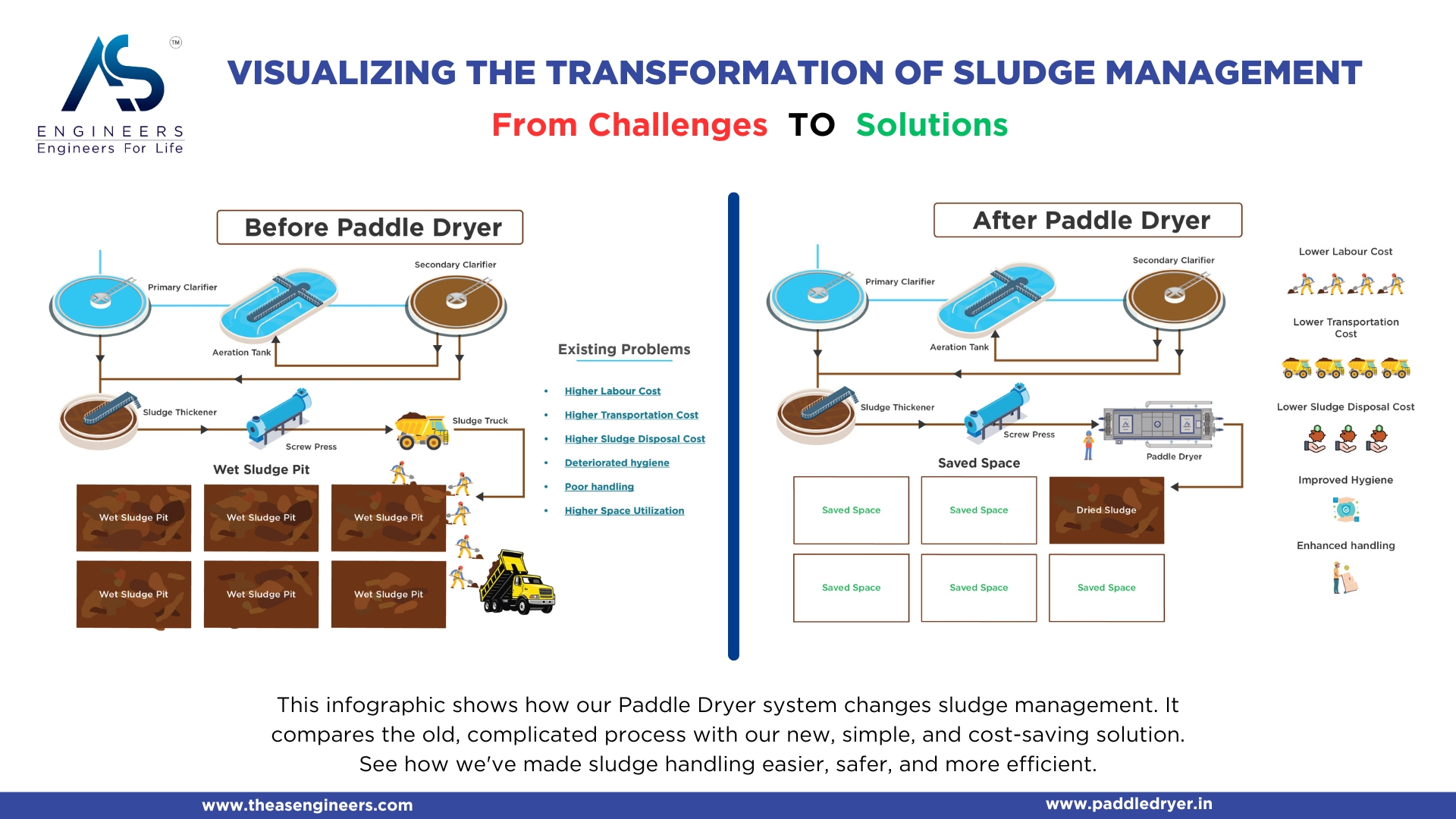
Tannery Sludge Management
Environmental Impact of Tannery Sludge
Tannery sludge, if not properly treated, can have severe environmental consequences:
- Soil Contamination: The application of untreated sludge to agricultural land can lead to the accumulation of heavy metals in the soil, affecting crop growth and contaminating the food chain.
- Water Pollution: Improper disposal of tannery sludge can lead to harmful chemicals leaching into groundwater and surface water, posing risks to aquatic ecosystems and drinking water sources.
- Air Pollution: The incineration of tannery sludge without adequate pollution control measures can release toxic gases, including dioxins and furans, into the atmosphere.
Treatment Methods for Tannery Sludge
Effective treatment of tannery sludge is crucial to minimize its environmental impact. Several treatment methods can be employed, including:
1. Chemical Stabilization
Chemical stabilization involves the addition of lime or other alkaline materials to the sludge to reduce its toxicity. This process can convert harmful substances like hexavalent chromium into less toxic forms, making the sludge safer for disposal.
2. Biological Treatment
Biological treatment uses microorganisms to degrade the organic matter in tannery sludge. This method can significantly reduce the biological oxygen demand (BOD) and chemical oxygen demand (COD) of the sludge, making it less harmful to the environment.
3. Thermal Treatment
Thermal treatment methods, such as incineration and pyrolysis, involve heating the sludge to high temperatures to destroy organic pollutants and reduce the volume of waste. However, these methods require advanced pollution control systems to prevent the release of toxic emissions.
4. Paddle Dryer for Sludge Treatment and Drying
One of the most efficient and cost-effective methods for treating and drying tannery sludge is the use of a paddle dryer. The paddle dryer operates by agitating the sludge with heated paddles, promoting efficient heat transfer and drying of the material. This method not only reduces the moisture content of the sludge but also decreases its volume, making it easier to handle and dispose of.
The paddle dryer is particularly effective for tannery sludge because it can handle high moisture content materials and produce a uniformly dried product. This dried sludge can be further processed or used in various applications, including as an alternative fuel source.
Recycling and Reuse of Dried Tannery Sludge
After drying, tannery sludge can be repurposed in several ways, contributing to a more sustainable approach to waste management:
1. Dried Sludge as Fuel
One of the most promising uses for dried tannery sludge is as a fuel source. The organic content in the sludge, once dried, can be combusted to produce energy. This approach not only reduces the amount of waste going to landfills but also provides a renewable energy source, helping to offset the use of fossil fuels. Industries that require high heat, such as cement manufacturing, can benefit from using dried sludge as an alternative fuel.
2. Construction Materials
Dried tannery sludge can also be used as a raw material in the production of bricks, cement, and concrete. The addition of sludge to these materials can improve their strength and durability while reducing the need for virgin raw materials.
3. Soil Amendments
After proper treatment and drying, tannery sludge can be used as a soil amendment to improve soil fertility and structure. The organic matter in the sludge can enhance soil aeration and water retention, benefiting plant growth.
Regulatory Framework and Compliance
The management of tannery sludge is governed by strict environmental regulations, which vary by country. Compliance with these regulations is essential to avoid penalties and protect public health and the environment. Key regulatory measures include:
- Waste Classification: Tannery sludge is classified as hazardous waste, and its management is subject to stringent controls under national and international waste management laws.
- Treatment Standards: Regulations specify the minimum treatment standards that must be met before tannery sludge can be disposed of or reused. These standards aim to reduce the toxicity and environmental impact of the sludge.
- Monitoring and Reporting: Tannery operators are required to regularly monitor the composition of their sludge and report their findings to environmental authorities. This ensures that the sludge is being managed by regulatory requirements.
Challenges in Tannery Sludge Management
Despite advances in treatment technologies, the management of tannery sludge remains challenging due to several factors:
- High Treatment Costs: The cost of treating tannery sludge can be prohibitively high, particularly for small and medium-sized tanneries. This can lead to improper disposal practices and environmental contamination.
- Limited Recycling Opportunities: While there is potential for recycling tannery sludge, the market for sludge-based products is still in its infancy. More research and development are needed to identify viable recycling options.
- Regulatory Complexity: Navigating the complex regulatory landscape can be difficult for tannery operators, particularly in countries with evolving environmental laws.
Future Trends and Innovations
The future of tannery sludge management is likely to be shaped by emerging trends and innovations, including:
1. Advanced Treatment Technologies
New treatment technologies, such as membrane filtration and advanced oxidation processes, are being developed to improve the efficiency and effectiveness of tannery sludge treatment. These technologies can help reduce the environmental footprint of tanneries and make sludge management more sustainable.
2. Circular Economy Approaches
The adoption of circular economy principles in the tannery industry could lead to greater resource recovery from sludge. By reusing and recycling sludge components, tanneries can reduce waste generation and create new revenue streams.
3. Regulatory Harmonization
Harmonizing environmental regulations across countries and regions could simplify the compliance process for tannery operators and promote best practices in sludge management. This could also facilitate the global trade of sludge-based products.
Conclusion
Tannery sludge is a significant environmental challenge, but with proper treatment and management, its impact can be minimized. The use of paddle dryers offers an efficient solution for reducing sludge volume and moisture content, making it easier to handle and repurpose. Dried sludge can be used as a fuel, contributing to energy recovery and reducing reliance on fossil fuels. By adopting advanced treatment technologies, exploring recycling opportunities, and complying with environmental regulations, the tannery industry can contribute to a more sustainable future. As the industry evolves, continued innovation and collaboration will be key to addressing the challenges of tannery sludge management and turning waste into a valuable resource.